


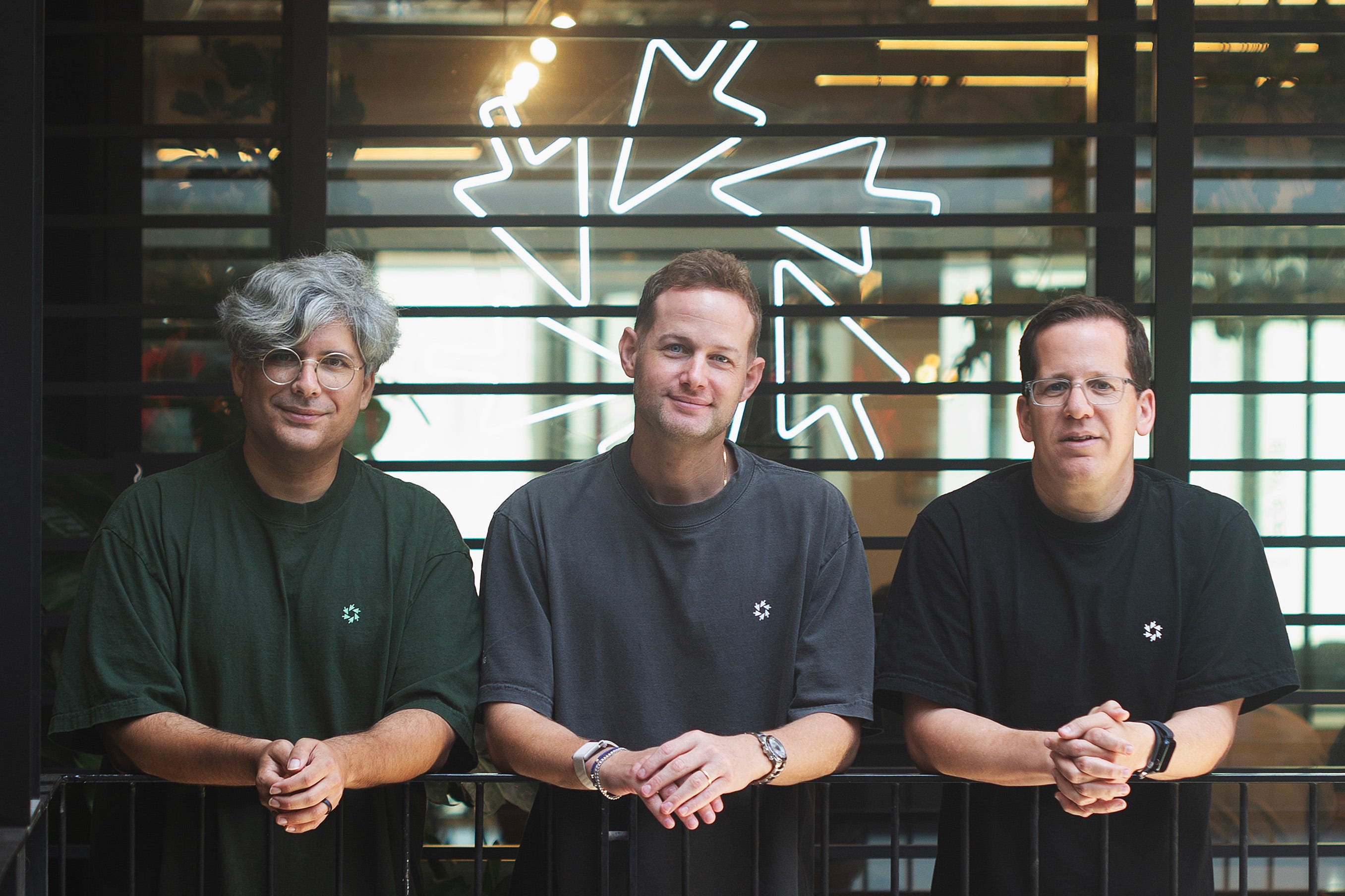
Last week, two veteran founders of a still stealthy startup called Accomplish, spent visited San Francisco as part of a wider gathering of cybersecurity experts timed to the launch of OpenAI’s frontier model, Astra.
Amit Avner and Or Hiltch toured the labs’ offices, one by one; when OpenAI president Greg Brockman addressed an invite-only crowd of their peers to talk about a new security paradigm in the Astra era, they listened eagerly.
But as they left Silicon Valley back for their startup’s office in Tel Aviv, Avner and Hiltch didn’t feel any less troubled about their industry’s ability to keep up with the risks.
“There’s a lot of talk about security now,” says Hiltch, Accomplish’s CTO. “It doesn’t really reflect in how they actually build products.”
If you’ve been following news around these companies and their prospective IPOs or stock prices, you’ve probably heard of issues involving frontier models breaking free of “sandboxes” – think of them as vehicles, containers or machines that package up a program or agent to isolate it from the rest of your computer or company’s data – to cheat on internal tests and hack websites.
Influential AI writer and podcast host Dwarkesh Patel controversially described some of these agents as “civilizations” that rose and fell. A U.S. Senate subcommittee is reportedly investigating OpenAI’s breach of Hugging Face systems, though it’s not the only lab to have reported such rogue behavior.
But Accomplish’s founders are raising a warning about the long tail of lesser-known, almost normalized vulnerabilities that startups and researchers like theirs continue to flag for the big AI labs around some of their most popular products.
In some cases, such as a vulnerability flagged to Cursor in July, and two reported to OpenAI, these have been fixed in about a week; but in at least one case, a similar vulnerability flagged to Anthropic two months ago, the issue wasn’t patched for about 50 days – about 30 software updates later.
That whole time, malicious parties – be they hackers, cyber criminals or state actors – could have been exploiting such security gaps, says Avner, Accomplish’s CEO. (Accomplish published its own blog post about the vulnerabilities here.)
“If these frontier models are so good, how come they’re not finding these critical vulnerabilities in their own products?” asks Hiltch. “We feel that’s a shame, and we wish more people would know,” adds Avner, the startup’s CEO. “Organizations need to be very wary.”
Anthropic and Cursor didn’t respond on the record to requests for comment. In a statement provided after publication, an OpenAI spokesperson wrote:
“We thank the researchers for contacting us and sharing their findings. We addressed both issues in August, and we’re continually strengthening our sandboxes, including tightening controls on where agents can write files and expanding testing of those protections across platforms.”
More on the previously-unreported vulnerabilities, and their wider implications, below.
New to Upstarts? Subscribe and log in to unlock this story as a free preview, or for unlimited access, take 15% off a monthly or annual premium subscription as part of our September sale.