


The Upshot
There’s a lot to like about Lovable, the startup that’s helped ‘vibe code’ 25 million projects in just one year, recently valued at $6.6 billion.
Startup Kilo Code’s reaction: how quaint. “Lovable is not a tool that engineers use,” says CEO Scott Breitenother. “It’s for that cute proof-of-concept, or an idea, or that internal tool. Kilo is where you start building actual, real products.”
Big talk from a startup you might not have even heard of yet. Nine months ago, Kilo Code didn’t exist. Today, it’s carving out a niche as an open-source software alternative to code editors like Cursor or Microsoft’s VS Code, used by more than 750,000 engineers.
But Kilo wants to do much more: solve for the entire development process, from prototype to production-ready app. So today, the startup is launching a new product to solve for the beginning, vibe-coding part: App Builder.
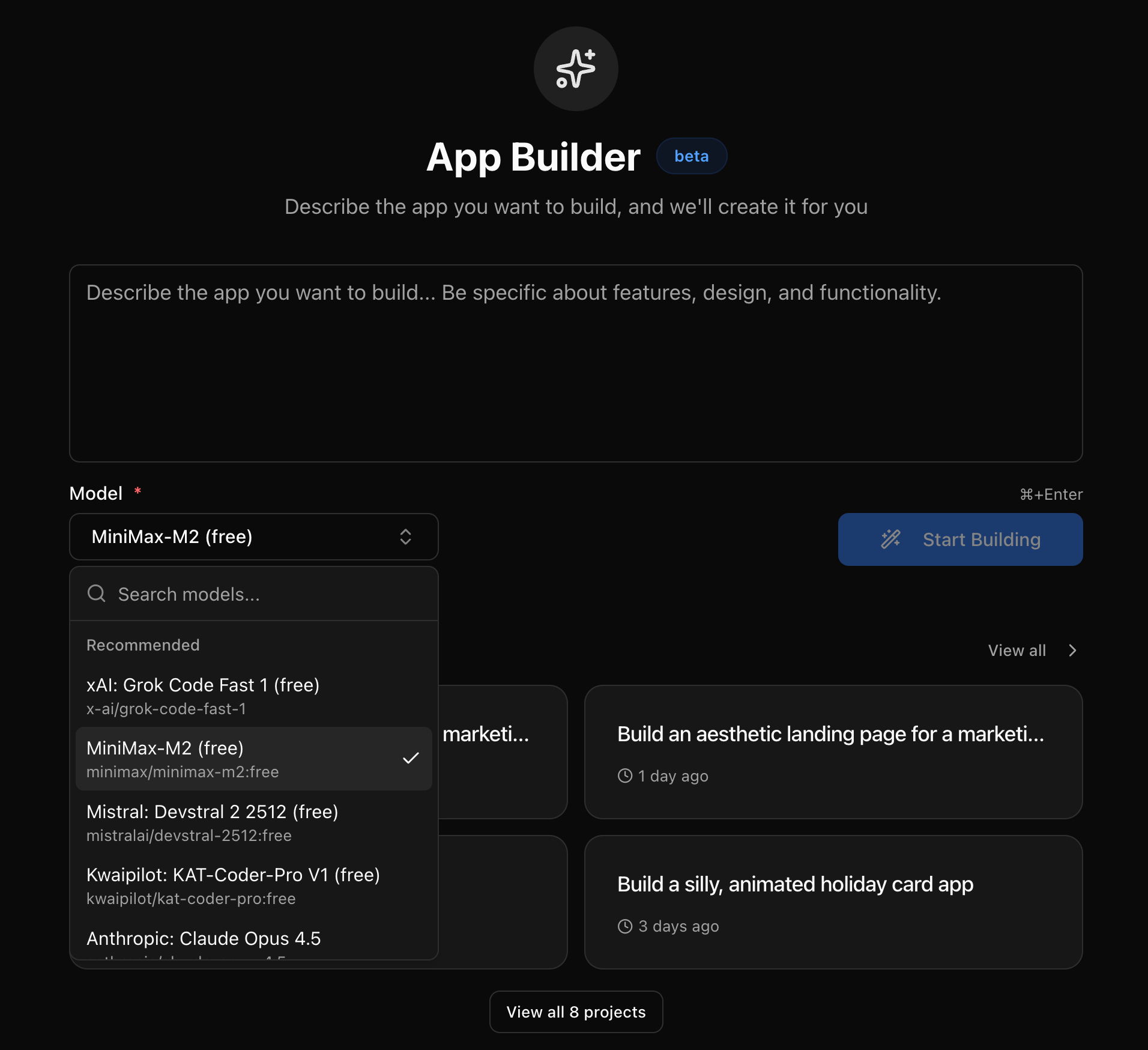
Kilo users can prompt App Builder to spin up apps in just a few minutes; because Kilo uses the same code in that process as its editor, if a user likes the result, they can then build directly on top of it, versus retracing their steps.
“We just see it as the beginning of the flow,” says Emilie Schario, who leads Kilo’s engineering and product. “It’s code that you could ship. It’s not just going to make for a pretty demo, but be able to solve the task.”
And built in just six weeks, it’s a shot across the bow of a number of other startups in the vibe-coding production stack – putting Kilo on a collision course not just with Cursor and its rivals, but now app builders like Bolt, Lovable and Replit, as well as startups helping with their deployment, like Netlify and Vercel.
Kilo isn’t making things easier for itself by competing with a number of better-funded, specialized startups at once. But it’s a strategy that Kilo’s creator, cofounder Sid Sijbrandij, employed to success at his last company, GitLab, which went public in 2021.
Even if Kilo can’t take meaningful market share from them, its emergence as an additional viable option can only benefit end users across startups more broadly. And Kilo can push Lovable and others to keep improving, too – even if its Upstart mindset won’t make it many friends among other toolmakers.
Notes Breitenother wryly: “We’re not very popular at the AI Christmas party.”
Support startup stories
As a revenue-funded business, Upstarts depends on sponsors and paid subscribers to publish stories like this and grow. Not subscribed to our full coverage yet? Try one month on us fully free, or catch our end-of-year sale: 20% off for a limited time.
If you’re interested in partnering with us on this newsletter, our upcoming Upstarts podcast, or exclusive events in 2026, let us know through this Interest Form 👋
‘Kilo Speed’
Kilo Code’s short history starts in May, when Sijbrandij, who had stepped down from his CEO role at GitLab the previous December to focus on a battle with cancer, felt healthy enough to take on a new challenge.
Open-source AI coding tools were taking off on OpenRouter, a platform that helps agents like them connect to large language models; given GitLab’s own open-source underpinnings, Sijbrandij grew excited. “I was like, ‘I know how to do that,’” he tells Upstarts.
Sijbrandij set up Kilo Code to operate fully remotely like GitLab, hiring – and parting ways with team members – lightning fast. A cofounder he appointed as CEO has since left the company, for what Kilo says are family medical reasons. Introduced to Breitenother, who built and sold a data advisory service, through his former GitLab chief of staff Schario, Sijbrandij immediately offered him the job.
Kilo has moved similarly fast to staff and ship software, from its editing tool that works compatibly with VS Code, JetBrains and command-line interfaces to its code review and deployment tools.
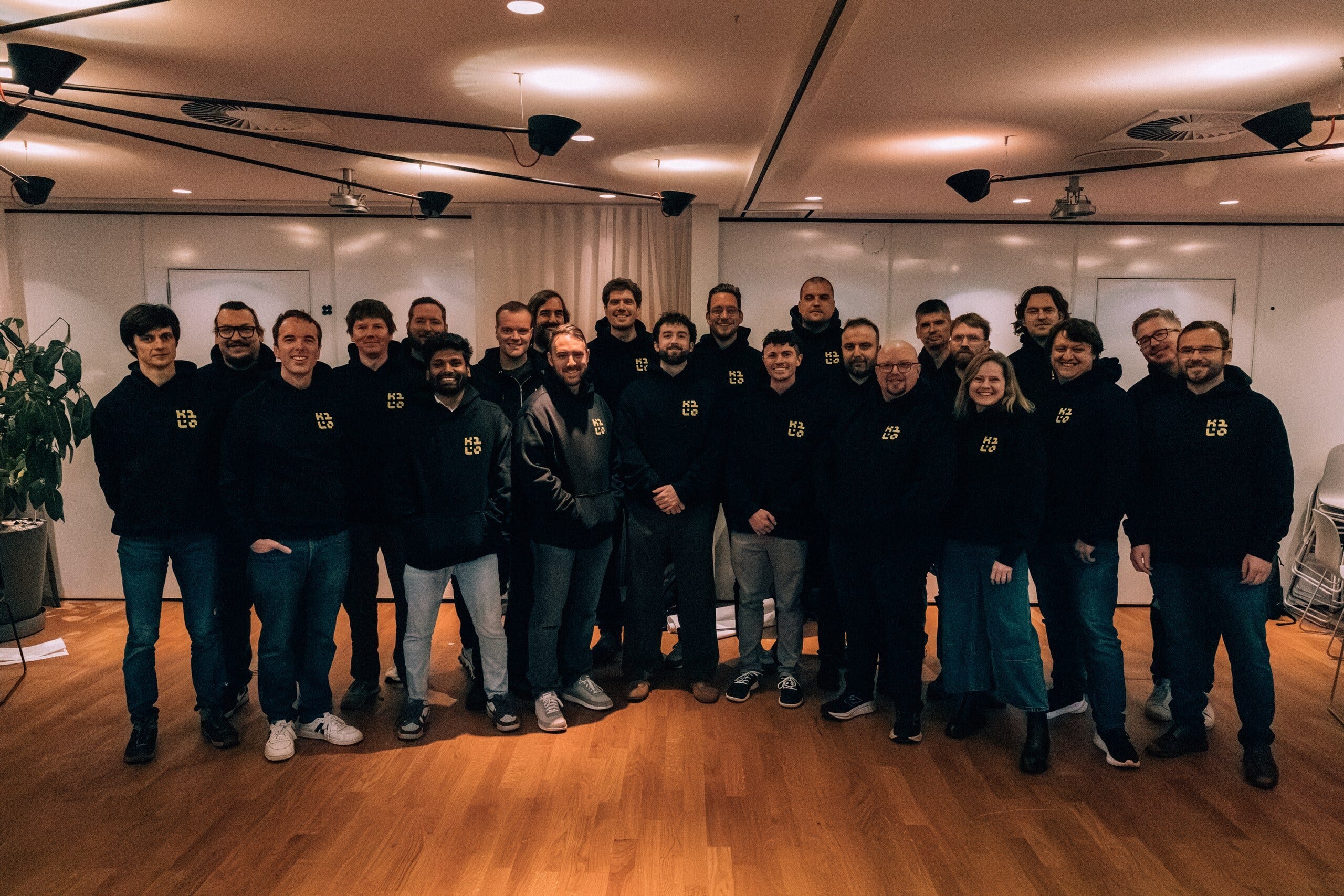
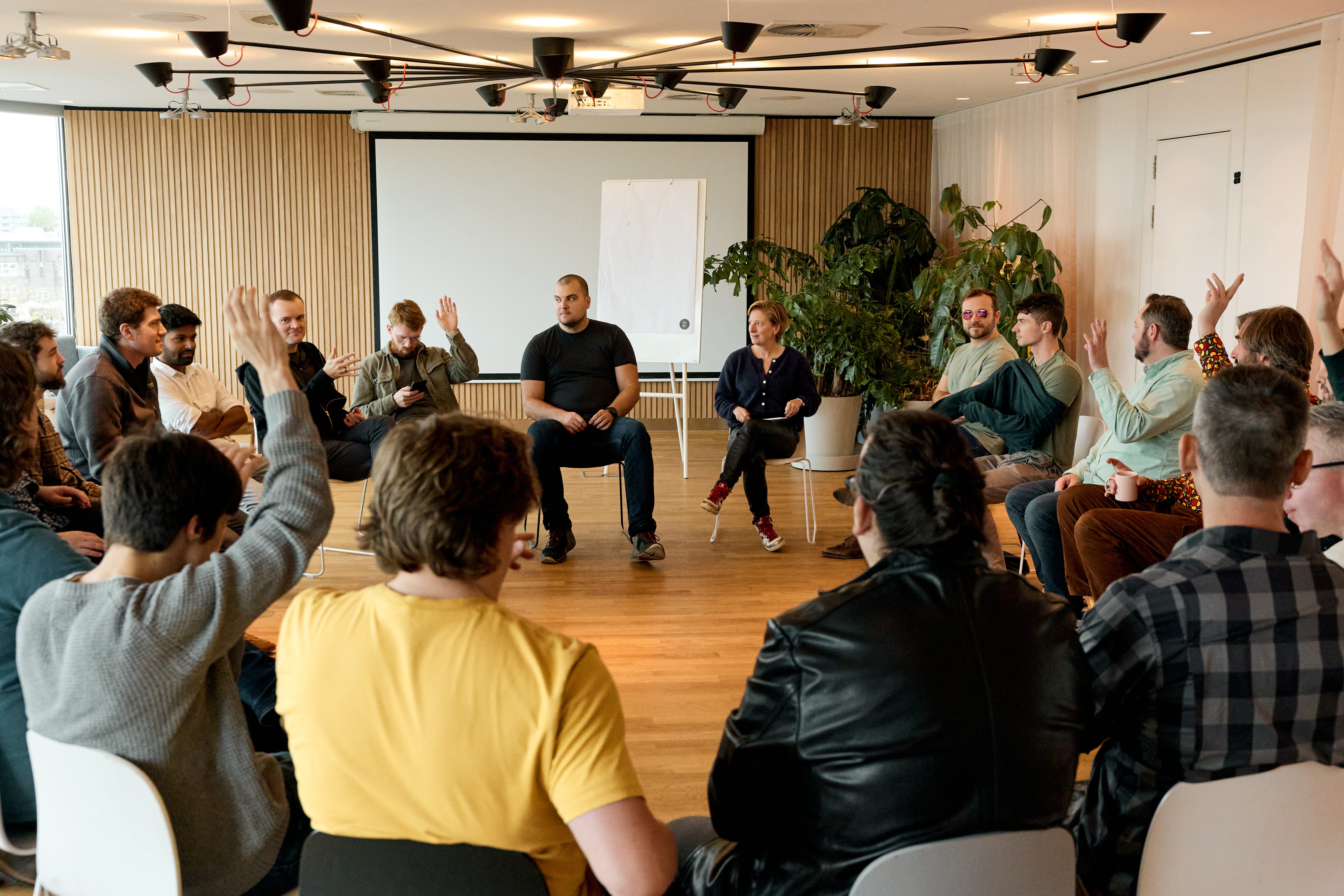
The startup began building its App Builder during a quarterly ‘Focus Week’ hosted in Amsterdam at the end of October. Five engineers newly signed up to Kilo shipped the first version for internal demo in just three days.
“Sid posted on a Friday that if engineers applied by Monday, we would accept you by Wednesday, and by the following Monday, you’d be in Amsterdam,” Breitenother says. The next six weeks were spent building out the tool’s resiliency and safety guardrails.

As for the product itself: Kilo’s demo is effective, if a bit no frills, as Schario prompts App Builder to create a Christmas countdown web app at the top of our interview, then checks back in a few minutes later.
It’s functional, with cute, if rudimentary, touches; when Upstarts prompts Lovable with the same request, Lovable returns its own countdown complete with a basic advent calendar, and generally more polish.

Where Kilo shines is under the hood, she argues. “The difference is what happens the next day,” she argues. “We’ve got demos side by side. Is there production level code that you can hand off to an engineer?”
Self disruption
Kilo Code’s founders are optimistic that it can win over customers in part through a pricing model that it says holds other tools back.
App Builder is fully usage, or consumption-based, meaning it will cost only what it takes to run the underlying model that users choose from the likes of a lab like Anthropic or OpenAI.
Other tools like Cursor use a mix of token-based and usage pricing that can lead engineers to hit monthly limits. In user message boards like on Reddit, you’ll find such users discussing how they switch between providers depending on when their token limits run out.
Those companies can’t give away a usage-based app builder without undermining such subscriptions, argues Breitenother, leading them to rely on “decisions by committee” to ship new features.
OpenAI and the labs, meanwhile, could face business model tensions in shipping their own Lovable clone. OpenAI has invested in building an app marketplace around ChatGPT. In October, we wrote about how design software maker Canva became among the fist wave of apps available natively within ChatGPT; last week, growth software startup Clay was among a second wave to follow suit.
“We’re not afraid of disrupting ourselves,” says Breitenother. “Larger ones that have been around a bit longer in the trenches, they’re looking at every single product feature to see how it might cannibalize their core.”
A new player logs on
For now, Kilo’s talking a big game that feels only partially backed up.
Showing off an app she built to help her follow the 20-step haircare method of a beauty influencer, Abbey Yung, while she works at home with three small children, Schario notes that the version of Kilo’s App Builder we’re looking at is a V1; major improvements should ship in upcoming weeks.
With just $8 million in seed funding recently announced, Kilo has a tiny war chest to build against the likes of Lovable, which has raised more than half a billion dollars overall.
But there’s something to be said for how quickly and leanly the startup is launching products. And Cursor’s acquisition of Graphite on Friday suggests that Kilo’s bet on an end-to-end solution — and the heightened competition that brings — is the direction the wider industry is also moving.
Like with more state-of-the-art model choices, more viable app-building options will only benefit consumers in the end.
“We’re always excited when we see things like that, because it feels like validation of our all-in-one thesis,” Breitenother says. “It also gives us a great opportunity to check another box in what we can go against them on.”
Thanks for sharing Alex. It was a joy to chat with you!
Good article with valuable info.