


What happens when AI models can operate a computer more efficiently than a person – not just writing code or calling APIs faster, but clicking buttons, and navigating around, like it’s in control of your mouse?
Such capabilities, called “computer use,” aren’t a new concept. Big AI labs like Anthropic, OpenAI and Google DeepMind, and newer entrants like Perplexity, have all announced computer use options in recent years.
But one big blocker has still held back computer use from taking off: its cost.
For a general use frontier model, mimicking how a person navigates around a screen requires a lot more back and forth, which in GPU access, means more money and time. And that has soured some on its value, argues Devi Parikh, co-CEO of AI startup Yutori.
That is, until now. Today, her startup is announcing a new model that its team believes will bring forward the widespread adoption of computer use by a significant step.
Called n2, the model was trained on just 27 billion parameters, orders of magnitude less than the several trillion parameters for leading models like Anthropic’s Fable 5 and OpenAI’s GPT-5.6. But it offers performance, Yutori’s founders claim, that isn’t just state-of-the-art for its weight class, but close to the abilities of much bigger, more expensive alternatives.
“These cost savings are the difference between the unit economics for a product making sense or not,” Parikh says. “It’s the difference between being able to ship a product at scale, versus just not shipping at all.”
“I think the era of knowledge work when we sit and click buttons on a computer is about to come in for a drastic change.”
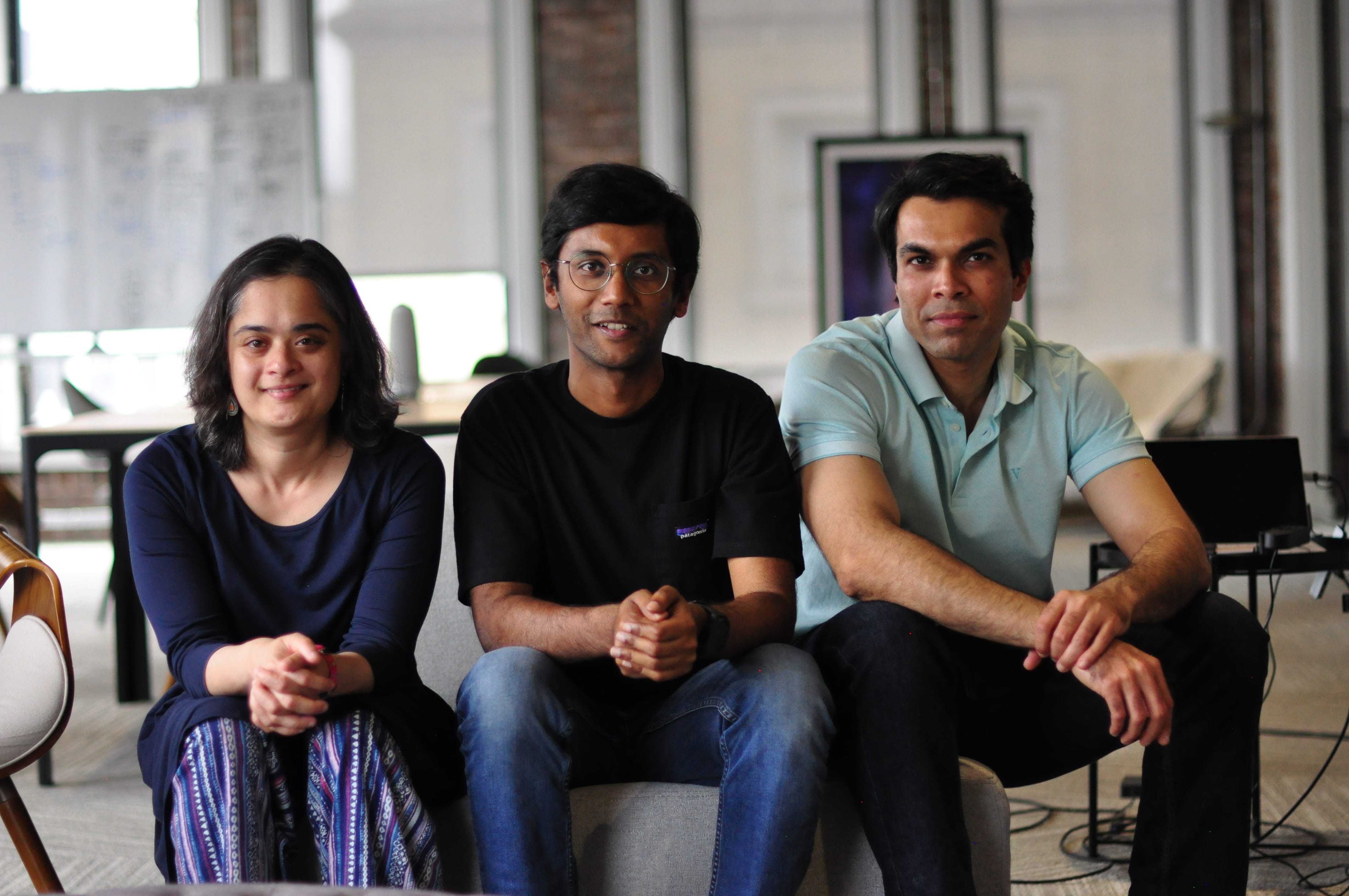
Founded by Parikh and two other former Meta AI researchers, chief scientist Dhruv Batra, and co-CEO Abhishek Das, Yutori trained the model over the course of this year with just a team of 14 and a relatively small amount of funding; the startup announced a $15 million round led by Radical Ventures last year. Other investors include Felicis and AI luminaries Fei-Fei Li and Jeff Dean.
The company says n2 “excels” on all benchmarks it tracks, including OSWorld, OSWorld 2.0 and WeaveBench.
The big unlock: unlike other models, n2 can switch seamlessly between interfaces, from an API, to a command line interface (CLI), to a graphical user interface (GUI) more akin to what a human would use, all within a single task. The model chooses whatever route will be fastest and simplest, and can even write its own snippets of code when the other routes won’t work.
Yutori will provide n2 through neocloud partners like Baseten, Together AI, and Crusoe, says Batra. Who can benefit? Companies and developers who set up agents to perform daily tasks that combine web info with local software or files, such as checking performance dashboards, automatically paying vendors, or correcting bugs in micro-services.
“If someone is trying to build an agentic workflow for knowledge work, and that’s all they care about, they don’t have to be paying frontier level bills to be able to do so,” says Das. “There’s now a faster, cheaper option, still at the same accuracy, that they can use.”
The rest of this post on Yutori’s path to n2, how it works, and what it means for the ecosystem, is available to paid Upstarts subscribers. Take 20% off an annual subscription in our summer sale, or try one month for free.